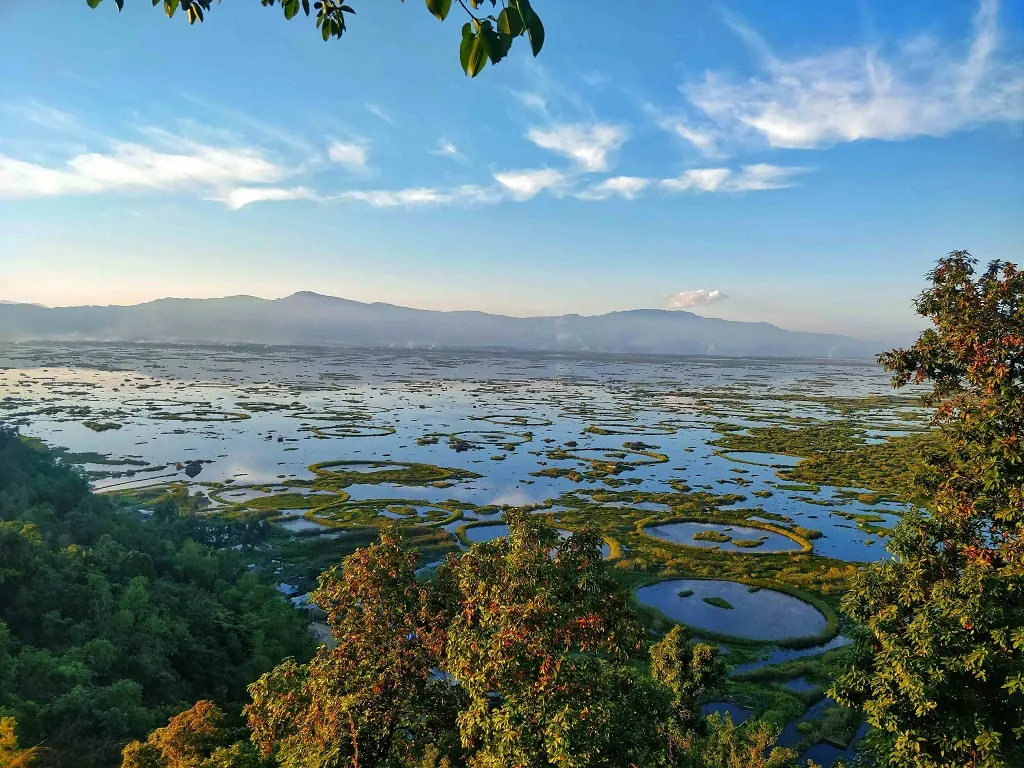
About the “Land of Gems” – Manipur
Manipur, located in Northeast India and known as the “land of gems,” is bordered by Nagaland, Assam, Mizoram, and shares an international boundary with Myanmar. Its capital is Imphal, and the state is renowned for its scenic beauty, cultural diversity, and rich traditions, including being the birthplace of polo. The majority population is Meitei, with significant Naga and Kuki-Zo communities. Manipur plays a strategic role as India’s “Gateway to the East” and has an economy centered on agriculture, handlooms, and bamboo production. Notable features include Loktak Lake, the largest freshwater lake in Northeast India, and a vibrant heritage of classical dance and festivals.
Manipur’s most important cultural and historical highlights include its ancient royal heritage, vibrant festivals, world-renowned dance traditions, and pivotal historical events. The state is famed for the classical Manipuri dance, especially the Ras Leela inspired by Radha and Krishna, along with folk performances like Pung Cholom and Khamba Thoibi, each rich in myth and devotion. Manipur’s diverse festivals—such as Yaoshang, Lai Haraoba, and Kut—reflect its ethnic mosaic and seasonal rhythms. Historically, Manipur was ruled by kings from Kangla Fort since 33 AD, contributed to India’s freedom struggle (notably through the Battle of Imphal and the INA’s flag hoisting at Moirang), and preserves its legacy through sites like Kangla Fort, the Khongjom War Memorial, and the Manipur State Museum. The state is also celebrated as the birthplace of polo and maintains a strong tradition in indigenous music, art, and crafts.