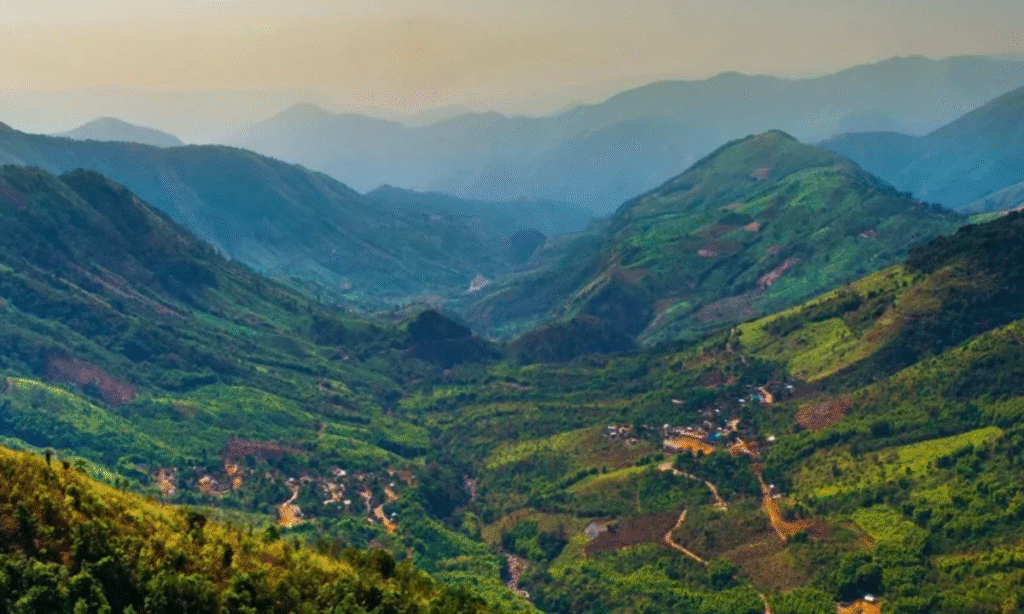
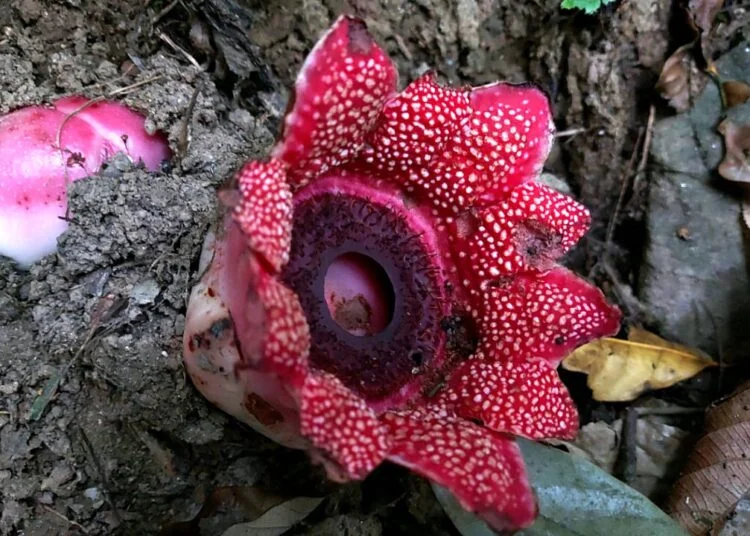
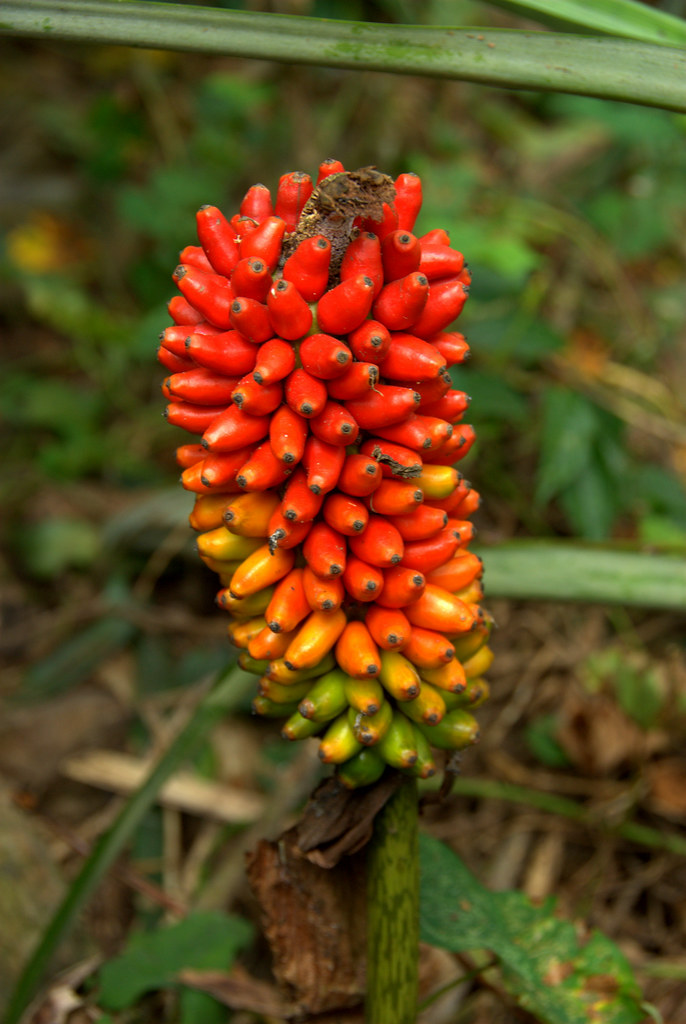
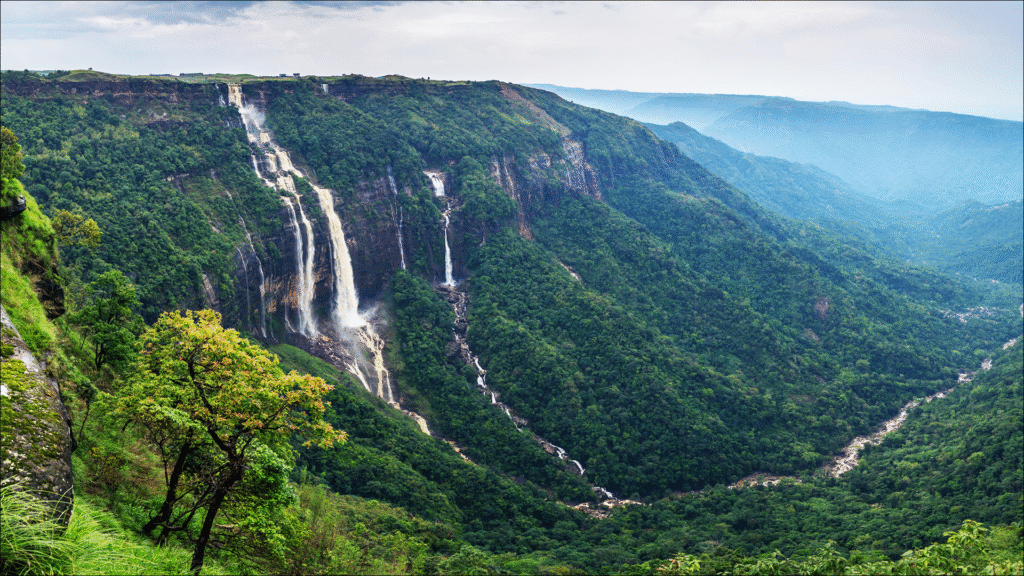
Meghalaya, meaning “the abode of clouds,” is a scenic state in Northeast India known for its rolling hills, lush valleys, verdant plateaus, and some of the highest rainfall in the world. Its people are predominantly indigenous Khasi, Garo, and Jaintia communities who traditionally reside in vibrant matrilineal societies and celebrate a wealth of unique festivals and customs. The land features dramatic peaks like Shillong Peak, major rivers, deep gorges, and abundant waterfalls, set against forests that cover more than a third of the state’s area and shelter diverse flora and fauna including rare orchids, pitcher plants, and endangered species like the clouded leopard. Historically, Meghalaya was carved from Assam to become a full-fledged state in 1972, but its tribal societies possess ancient traditions and legends that stretch back centuries, blending a rich heritage with spectacular natural bounty
Shillong holds great historical significance as the capital of Meghalaya and was formerly the capital of undivided Assam during British rule and post-independence until 1972. Founded in 1864 as a civil administrative station by the British, its cool climate and strategic location made it an ideal headquarters between the Brahmaputra and Surma valleys. During its time as Assam’s capital, Shillong became the administrative and educational hub for the entire Northeast, encompassing present-day Meghalaya, Nagaland, and Mizoram, before Assam’s capital moved to Dispur and Shillong became Meghalaya’s capital. The city is also associated with key colonial events, such as the devastating 1897 earthquake and the construction of landmark government buildings, and remains known as the “Scotland of the East” for its picturesque hills and British-era charm.