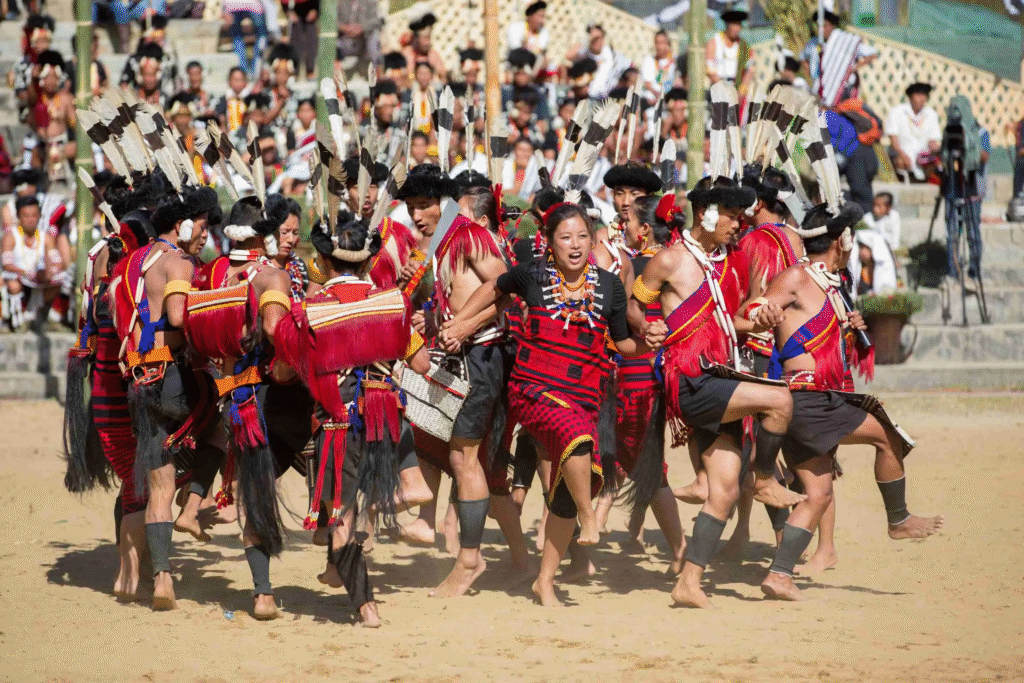
Nagaland is a mountainous state located in the northeastern part of India, bordered by Arunachal Pradesh, Assam, Manipur, and Myanmar. It is home to a diverse and vibrant population of over 1.9 million people belonging predominantly to 16 major Naga tribes, each with distinct languages, traditions, and customs. The land is deeply divided among these tribes, who historically governed themselves through village councils and tribal autonomy safeguarded by special constitutional provisions. The Naga people speak over 89 dialects primarily belonging to the Sino-Tibetan language family, with English as the official language and Nagamese as a common lingua franca. Culturally, Nagaland is renowned for its colorful festivals, rich craftsmanship, and traditional music. Among its tribes, the Konyak were famously known as the last headhunters, where headhunting was historically a symbol of honor and bravery, although the practice has long ceased. Today, Nagaland preserves its tribal heritage fiercely, celebrating its unique identity amid its stunning hilly terrain and lush valleys. This fragmented tribal landscape, coupled with rich traditions like festivals and indigenous governance, makes Nagaland a unique cultural mosaic in India’s northeast. The Hornbill Festival, held annually in December at Kisama Village near Kohima, is the largest and most famous, bringing together all 16 major tribes to showcase their dances, music, crafts, and traditional sports. The Sekrenyi Festival, the Aoling Festival, the Moatsü Festival of the Ao tribe and the Wangala Festival of the Garo tribe are some of the other festivals celebrated in Nagaland.

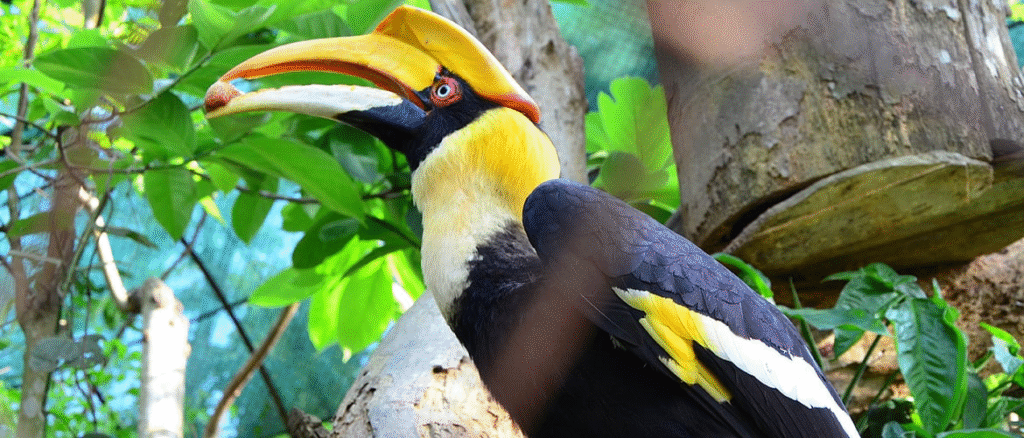
Travelers can experience Nagaland’s tribal festivals authentically by actively participating in the celebrations, respecting local customs, and engaging closely with the tribal communities. The best opportunity is the renowned Hornbill Festival in December, held at Kisama Heritage Village near Kohima, where all major Naga tribes showcase their traditional dances, music, and crafts. Visitors can explore recreated traditional tribal morungs (communal houses), witness genuine war dances and rituals, and taste authentic Naga cuisine including traditional rice beers. Staying in village homestays offers a deeper cultural immersion, allowing travelers to live daily life with Naga families and participate in customary activities like traditional games, archery, and indigenous fire-making. It is important to approach these experiences with cultural sensitivity, dress appropriately, and support community-based sustainable tourism initiatives that preserve tribal heritage and empower locals. Traveling with local guides or tour operators specializing in tribal culture enhances understanding and helps ensure respectful interactions that enrich the travel experience